Showing posts with label 11 yr old. Show all posts

Charming Kyushu 2016 Part 4

Our plans to drive out to Mt. Aso was foiled by bad weather. It started raining in the wee hours and the plashing of the steady rain continued. We were told that visibility would be low hence we shelved our plans to visit Mt Aso Ropeway and the Volcano Museum.


So we moved on to Beppu.

Activity 13: The renowned Beppu Hells. 
The hot spring Hells are a nationally designated "Place of Scenic Beauty" in  the onsen town of Beppu, Oita, Japan and they are more for viewing than bathing purposes. 

There are admission charges for each Hell though parking is free. It is advisable to drive to each Hell although you can reach the different ones by foot. 


 Umi Jigoku (海地獄) “Sea Hell” –This is one of my personal favorite Hells and the largest. The main attraction here is the beautiful cobalt blue pond of boiling water, which stands at 200 meters deep. We were most impressed with this because of the shade of blue. 

Shirake Jigoku (白池地獄) “White pond Hell”– It is called so because of the chalky white appearance of the water. This large pond is surrounded by a peaceful Japanese garden. There is a small aquarium of piranha which you will pass before coming to the pond. 


Chinoike Jigoku (血の池地獄) “Blood pond Hell” – The clay in the “Blood Pond” here is so hot that the steam is red. We had expected the water to be a lot redder actually. Haha. 

Within the compounds of each Hell, there were foot baths where you could soak your feet in. Vending machines which sold small towels stationed there in case you came unprepared. We bought some bath salts which are believed to have healing qualities. 

Group pic!

Activity 14: Steamed dishes from Hell's kitchen


There were a lot more ingredients to choose from but we just had breakfast and weren't able to eat much. Food tickets were purchased from a vending machine and then we handed the tickets to the staff who then placed them in these steaming baskets.

We were allocated a steaming station and the children brought the food in. Armed with gloves and with the guidance of the staff, C and Brion placed and removed the food carefully. We picked food that cooked quickly so they were ready within 15 minutes.

Activity 14: Yufuin Floral Village

It's a tiny village but it draws crowd from all over. There were so many tourists there that it was almost impossible to take a decent picture of the place. 


The buildings were designed to look like those in the Cotswolds, an area of England renowned for its beauty. I learned that several scenes from the movies, Harry Potter, were filmed here. 


Bestsellers!


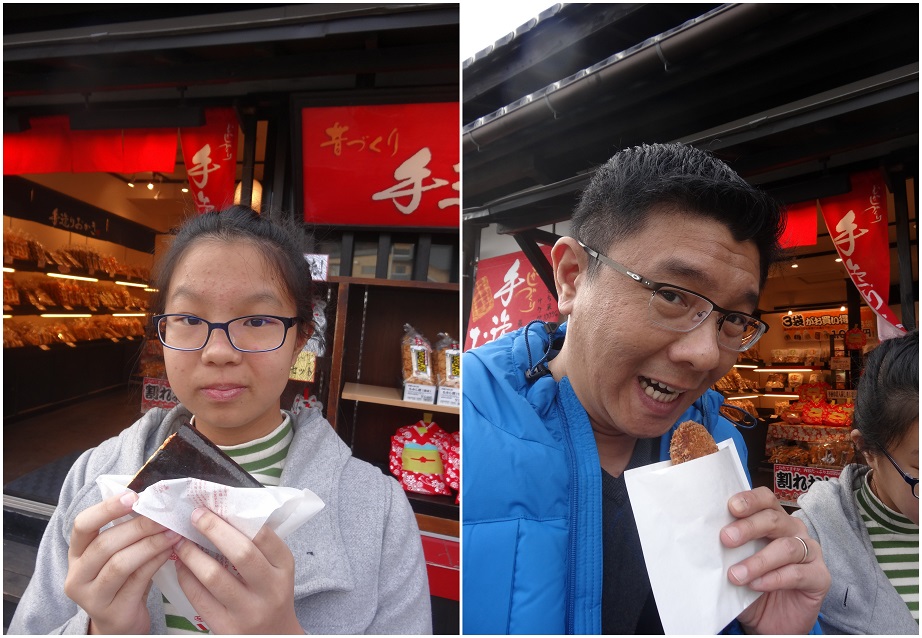
Street food!

Activity 15: Exploring Beppu


Exploring Beppu city on foot. There was a fair bit of walking for our trip and we were clocking between 10 to 13 thousand steps every day. Beppu is home to more than 2000 onsen and it wasn't all too surprising to find ourselves a bubbling splash anywhere. 

Activity 15: Hot sand baths


In a place known for its onsen, we did what the locals did - had a hot sand bath - this was by far our most unique way of taking a hot bath. 

For a small fee, we were given a small towel and a yukata. Then head to the gender-segregated changing rooms to change into your yukata. We were called down to the sand pit and the sand ladies would proceed to bury us. We felt the weight of the sand quickly. It was cold so the heat from the sand was a relief against our skin. The volcanic sand is said to be 3 or 4 times more beneficial than a traditional bath. 

After a 10-minutes bath, we emerged looking like we had gone swimming; our yukata were soaked and we had enough sand on us to make our own little beach. Then it was a quick run to the showers to rinse off the sand. There was an onsen in the toilet where we took a dip before changing back into our clothes. Verdict: refreshed!

Activity 16: picking mandarin oranges.


Our naughty girl who had so much fun running up and down the orchard in search of the plum orange fruit. Her bagful of mandarin oranges!


For residents in Fukuoka city, the closest fruit farm would be Taiyo-en. It is located an hour out. Open season is from October to December and the farm offers fruit picking. There are different types of mikan (mandarin oranges) which can be peeled easily. The oranges were juicy, and there weren't any seeds in them. How lovely would it be if we could come out here to get our stash for the Lunar New Year. 

Activity 18: Shopping
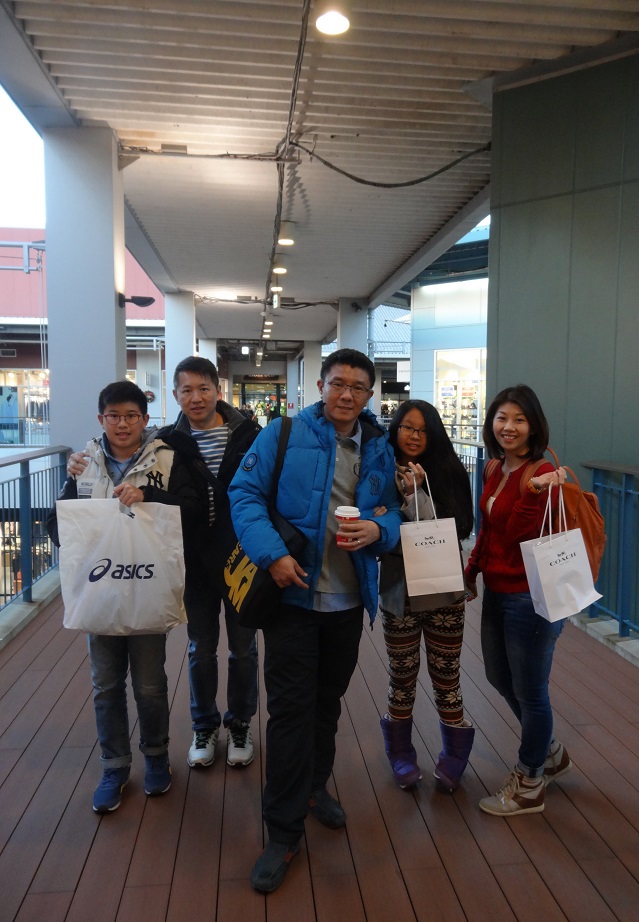
This wasn't even half of our shopping loot! There were ample opportunities to shop at every pit stop and we got a little something along the way. :)

 Ice cream! There is something about eating ice cream in the chilly weather and they were eating it almost every day.

Well, well... 
This concludes our vacation. Did we have fun? You bet! Would we do another road trip in Japan? This is almost a positive "Yes" and we might even cover the south next time. Is Kyushu an area we would visit again? Sure! :)

Signing off now,
n

Charming Kyushu 2016 Part 3

We set off on our historical tour with Glover Garden. It was only a 10 minutes walk from the hotel so we headed out immediately after a hearty breakfast in the hotel.

Moving off to Glover Garden.


Ōura Church (大浦天主堂 Ōura Tenshudō) is a Roman Catholic minor basilica in Nagasaki. It was built after the end of the Japanese government's Seclusion Policy in 1853. The only Western-style building declared a national treasure and it is believed to be the oldest church in Japan. 

And so we began our tour... 

The Glover Garden is a collection of western homes and buildings put together to surround the home of Scottish entrepreneur, Thomas Black Glover. The settlement sits on a hill, and commands the view of Nagasaki Bay - speaks of an era of luxury and elegance. The house is said to be the setting and inspiration of Puccini's opera "Madame Butterfly". 

Former Mitsubishi No. 2 Dock House. 

Built in 1896, this dock house was used for ship crews to rest while their ship was at shipyard for repairs. The view from the deck is amazing. 


by the pond. Couldn't resist the picture.


The Former Ringer House.
The former Ringer house is a national important cultural asset and a rare example of architectural collaboration.   This House, with its foundation stones brought from Viadivostok was built by Frederick Ringer, a British businessman with interests in the tea trade and construction.

The Former Glover House

The stature of Tamaki Miura
She dedicated her life to singing on every world stage. An opera with Nagasaki as its background, the Italian composer Puccini wrote the masterpiece and tamaki Mirua played Madame Butterfly.


A Nagasaki delicacy: castella cake. There was no way we were leaving this place without getting our hands on these delicious cakes.

After lunch and having rested our tired feet, we continued with our historical tour. 

Atomic Bomb Museum.
The museum is a remembrance to the atomic bombing of Nagasaki by the United States of America 9 August 1945 at 11:02:35 am. 

Before we entered the main section, this clock with its hands frozen at the exact time the bomb went off, was a startling reminder of the horror of war.

"Fat Man" was the code name for the type of atomic bomb that was detonated over Nagasaki by the United States on 9 August 1945. The name refers generically to the early design of the bomb, because  of its wide, and round shape.


"Nuclear shadows"
Thermal radiation bleaches the surface of the walls that it comes in contact with - like how sunburn bleaches the exposed surface of skin. However, when there is an object in between that portion of the wall or any surface for the matter, the surface behind that object does not bleach. Hence it appears like a permanent shadow has formed on the wall. 

A school girl's lunch box. (Donated by Iwao Oishi)
This is a memento of Satoko Tsutsumi who was 14 years old at the time of the bombing. She was exposed to the atomic bomb explosion in Iwakawa-machi about 700 meters from the hypocenter. The riec in the lunch box was charred by the fires after the bombing.


The atomic bomb exploded in the sky about 500 meters above the point where this monument now stands. By the end of December, some 74,000 people had died and some 75,000 suffered from various injuries. The area within a 2.5 kilometer radius of the hypocenter was utterly devastated, and the rest of the city was left in ruins.

The Peace Statue.
The statute was completed in 1955 by Seibo Kitamura, a locally born sculptor. The bronze statue is 9.7 meters high, sitting on a 3.9-meter base, and weighs some 30 tons. It is said that the statute’s right hand is raised upward to point to the threat of nuclear weapons while the horizontally extended left hand symbolizes peace. The gently closed eyes are said to offer a prayer for the repose of the bomb victims’souls. 

Words from the Sculptor
After experiencing that nightmarish war, 
that blood-curdling carnage, 
that unendurable horror, 
Who could walk away without praying for peace?
This statue was created as a signpost in the
struggle for global harmony.
Standing ten meters tall,
it conveys the profundity  of knowledge and
the beauty of health and virility.
The right hand points to the atomic bomb,
the left hand points to peace,
and the face prays deeply for the victims of war.
Transcending the barriers of race
and evoking the qualities of both Buddha and God,
it is a symbol of the greatest determination
ever known in the history of Nagasaki
and of the highest hope of all mankind.

Seibo Kitamura (Spring 1955)


Ground Zero - Ground level at the time of the bombing.

Activity 9: Night skies of Nagasaki.

The drive up Mt. Inasa took us up winding roads. Thankfully we were early as a long queue of cars followed. 

Activity 10: Driving across Nagasaki (2 hours drive) to Shimabara Port.  


We could drive to Kumamoto but crossing the waters in a car ferry was an opportunity we didn't want to miss.

Activity 11: Suizenji Jojuen Park

It is a traditional Japanese garden landscaped around a natural spring pond. The area was originally a site of Suizenji temple, constructed by Lord Hosokawa Tadatoshi in 1632. His grandson later built the garden around the temple into its current form. 


They had a whale of a time feeding the mandarin ducks.


Activity 12: The Katana Experience.

Helen, our guide was an English lady who has resided in Japan for the last 17 years. She married a Japanese and moved to this beautiful country. When I contacted her regarding spending some time with Matsunaga Genrokuro, she asked politely if we could speak Japanese as the Master only spoke little English. She didn't want the experience to be lost on us and offered to be with us, and explain the process. 

We sat in a workshop that hasn't change in 40 years, listening to sensei as he explained the process of making the katana. He showed us the raw material used and we learned that much was collected around the beaches in Kumamoto. He would go down to the beach with a huge magnet and then push it into the sand. A 30-minute round on the beach and he would return with a 12 kg load! Then he would melt the raw iron down in his furnace to produce coal. The piece of coal in Aunt Ven's hand could easily cost up to  $10 000. Black gold, if you ask me.

He would spend a good part of the morning in his workshop every day. Sensei was a friendly man and he was chatting with us about his younger days, of his apprenticeship with his own sensei. He recounted the accidents he had and the pain he suffered. He talked about how his hands, and nails were always black from his handing of the coal and how he was embarrassed to show them - that was why he had them in his pockets all the time when he wasn't working. 

Sensei offered to let us have a go at shaping the metal. It was definitely not easy. This man was willing to share his craft. "Everything I need to know about life, I learned it in this workshop." This man was all about resilience, perseverance, and passion. 

Next, we were treated to a session with the other masters. 

Would you believe me if I told you this master here was 80 years old? He surely didn't look so.

This wasn't just a demonstration; these men do it every day and we were indeed privileged to be able to share the morning. 

The very sharp blade sliced through the soaked tatami mat effortlessly. The mats were tightly bounded and left to soak overnight. Master revealed that in the past, they had to practise on dead bodies but that practice was stopped. Instead they used recycled tatami mats. There were mats rolled up into different thickness and this was in direct relation to the strength needed to execute each stroke of the blade. The different sizes were representative of the different parts of the human body, like the limbs and torso.

They were precise and with each stroke of the blade, a piece of that mat fell to the ground.


We had the chance to have a go at the katana.

A very serious looking Daddy.

Uncle Alsonn was all about concentration and control.

The master.


Sensei took us round the back into his home after that and showed us his prized possession.
The samurai armour was 400 years old. He showed us the iron-cast guns used during the ancient war and also explained the significance of the structure of a traditional Japanese home.  Although it was a short 3-hour session with him, we learned a lot.

With Matsunaga Genrokuro sensei himself.


A treasured picture. We were indeed humbled and honoured.

Popular Posts

Labels

1 yr old (7) 10 yr old (30) 11 yr old (18) 12 yr old (8) 13 yr old (7) 14 years old (1) 14 yr old (1) 15 yr old (1) 16 yr old (3) 17 yr old (1) 2 yr old (6) 2020 (1) 3 yr old (65) 4 yr old (77) 5 yr old (35) 6 yr old (1) 8 yr old (43) 9 yr old (40) advertorial (6) anniversary (12) art (87) Aunt Di (21) Aunt Jules (3) Aws (48) baking (7) ballet (27) Barney (1) bath (4) beach (6) bed (7) bento (21) Big Eater (3) birthday (1) birthdays (112) blog (14) blog worth (2) books (12) bored (3) buffet (1) calender (2) Camp (3) Camptodactyly (2) car (10) carnival (5) Chinese New Year (50) Choir (8) Christmas (26) Church (18) Circuit Breaker (1) colouring (13) computer (2) Copenhegan (1) Covid-19 (2) crabs (5) craft (98) culinary (19) cycling (8) daddy time (36) dance (14) day care (1) delivery (3) Denmark (1) dental (12) development (23) diet (10) Disney (10) Dora (4) Dorscon Orange (1) durians (4) ECP (10) English (90) enrichment programme (20) Europe (2) excursions (9) experiments (3) farm (6) fireworks (1) Flyer (1) frustrations (40) gardens (11) golf (23) Grand Daddy (9) Grand Mummy (12) hair (12) health (63) hobby (1) Hong Kong (6) hotpot (1) house warming (1) hubby (5) husband (16) ice cream (2) ice skating (1) ID (5) Internet (27) Japanese (7) Josiah (184) junior college (1) kite (1) Korea (6) label (4) Legoland Malaysia (1) library (2) lost and found (2) Makassar (1) Mand (1) Mandarin (33) marina barrage (2) marriage (4) massage (1) Math (51) Mauritius (4) milk (12) mooncakes (6) movies (10) Mr.Lee Kuan Yew (1) mummy (5) museum (12) music (76) Mya (3) Netherlands (1) online shopping (3) pandemic (1) park (16) Pasir Ris (5) patience (2) performance (27) pet (9) photography (1) pian (1) piano (12) pizza (3) porridge (3) potty (7) prayer (2) pregnancy (1) preschool (162) Primary 1 (49) Primary 2 (9) primary 3 (7) Printable (27) puzzles (6) race (2) recommendations (8) refurbish (1) restaurant (12) roadtrip (9) sale (4) sand castle (3) sanrio (14) saving Gaia (13) school (62) Science (20) Science Centre (2) scrapbooking (3) Seimpi (46) Sentosa (1) SG50 (1) shoes (6) Siaws (20) Singapore (2) sleeping (5) songs (12) Stream (5) strem (1) supper (3) sushi (8) Swensons (2) swimming (33) Tans (1) Tohs (3) trial classes (7) tribute (1) tricycle (2) tummy (1) UK (15) Universal Studios (2) vacations (112) vaccination (5) Valentine's (3) vanity (37) varsity (18) Wans (4) Waraku (1) wedding (12) weight (2) Wengs (1) wish list (20) World Vision (2) Wuu (3) zoo (5)

Pinterest Gallery

featured Slider

Thanks for dropping by